Source Industrial Control UPS for Computers Industry Fire Safety
Compare 30 industrial control ups units from verified suppliers in China. Buyers can review specifications like battery type, output capacity, and protection ratings for computers, industry, and fire safety applications.
Key considerations
Products List
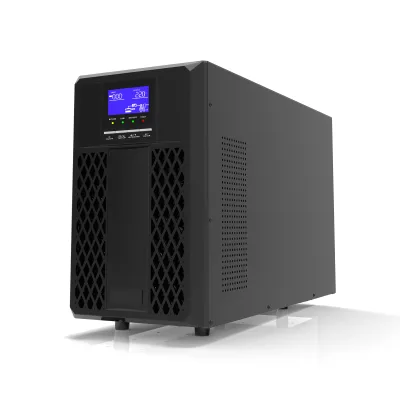


Comprehensive Sourcing Guide
Strategic Sourcing Guide for Industrial Control UPS Systems
Understanding Technical Specifications and System Architecture
When sourcing industrial control Uninterruptible Power Supply (UPS) systems, buyers must first distinguish between the specific operational modes and electrical characteristics required for their infrastructure. The market presents a variety of configurations, ranging from single-phase to three-phase architectures, each serving distinct load requirements. For general computer applications, single-phase systems are prevalent, often delivering power with a pure sine wave output to ensure sensitive electronics operate without harmonic distortion. In contrast, industrial and communication sectors frequently demand three-phase systems capable of handling larger loads, often ranging from 10 kVA up to 60 kVA or higher, depending on the specific model and capacity needs.
The distinction between "On-line" and "Standby" modes is critical for industrial control environments. On-line double-conversion UPS units provide continuous power conditioning, converting AC to DC and back to AC, which ensures the load is isolated from all input power anomalies. These units typically feature a pure sine wave output, making them suitable for critical server rooms and high-precision control panels. Conversely, standby systems may utilize square wave or sine wave outputs depending on the design, switching to battery power only when a grid failure is detected. For applications requiring long-acting machine capabilities, the battery configuration becomes a primary consideration. Lead Acid Batteries are a common choice, offering a specific energy density, such as 192 Wh in certain compact models, though larger industrial cabinets may utilize different configurations to support extended run times.
Physical form factors also vary significantly based on the installation environment. Mounting options include rectilinear styles, wall-mounted units, console setups, and movable configurations. The choice between decentralized and centralized equipment modes dictates the physical layout of the facility. Decentralized models are often preferred for distributed control points, while centralized models serve large-scale industrial plants. Protection ratings, such as IP30 to IP66, indicate the degree of ingress protection against dust and water, which is essential for harsh industrial environments. Buyers should verify that the selected unit's wave form and phase alignment match the specific requirements of the connected equipment, as mismatches can lead to equipment malfunction or reduced lifespan.
Compliance, Certification, and Safety Standards
Navigating the regulatory landscape is a non-negotiable aspect of industrial procurement. Products intended for the Chinese market and exported globally must adhere to rigorous certification standards to ensure safety and reliability. Common certifications observed in the sector include CCC (China Compulsory Certification) and ISO9001, which validate the manufacturer's quality management systems and product safety. Additionally, shell protection grades are critical for equipment deployed in dusty or wet environments. The IP rating system, ranging from IP30 to IP66, defines the enclosure's ability to resist solid objects and liquids. Buyers must confirm that the specific unit's protection rating aligns with the environmental conditions of the installation site.
Standards compliance extends beyond certifications to include manufacturing standards and design specifications. Many industrial control cabinets are built to "Made To Order" standards, allowing for customization to fit unique facility layouts. However, standard models often adhere to specific capacity ranges, such as 10-60 kVA or 10-400 kVA/8-320 kW, which dictate the scalability of the power solution. It is vital to verify that the product meets the relevant electrical safety standards for the target region. While specific test results are not universally guaranteed for every listed product, the presence of certifications like CCC and ISO9001 serves as a baseline indicator of compliance.
Safety features are integral to the design of these systems. Protection mechanisms typically include overcurrent, overvoltage, and short circuit protection. These safeguards prevent damage to the UPS and the connected load during electrical faults. The inclusion of key components such as circuit breakers, contactors, and frequency converters further enhances system reliability. Buyers should request documentation confirming that the protection rating and safety mechanisms meet the specific needs of their application, whether it is for fire safety, industrial automation, or communication infrastructure.
Cost Drivers and Pricing Dynamics
The pricing of industrial control UPS systems is influenced by a complex array of factors, resulting in a wide observed range from approximately $20 to over $63,000 USD. This variance is primarily driven by capacity, phase configuration, and the level of customization required. Single-phase units designed for small computer applications generally occupy the lower end of the price spectrum, while large three-phase systems intended for industrial plants with capacities exceeding 100 kVA command significantly higher prices. The type of battery technology also plays a role; while lead acid batteries are standard, the capacity and quantity of batteries required to achieve long standby times directly impact the overall cost.
Customization is another major cost driver. Products labeled as "Available" for customization allow buyers to tailor the unit to specific needs, such as unique mounting styles, specific input/output frequencies, or specialized protection ratings. However, made-to-order units often incur higher costs due to the additional engineering and manufacturing time required. The packaging method, whether full packaging in wooden cases or standard cartons, can also affect shipping costs and, consequently, the total landed cost.
Minimum Order Quantities (MOQ) vary, typically ranging from 1 to 100 units. Buyers purchasing single units for pilot projects or small-scale upgrades may face different pricing structures compared to those placing bulk orders for large-scale deployments. Lead times, generally observed between 7 to 15 days per unit, can also influence pricing, especially if expedited shipping is required. It is essential for buyers to understand that the lowest initial price may not reflect the total cost of ownership, which includes maintenance, battery replacement, and energy efficiency over the system's lifecycle.
Typical Applications and Industry Use Cases
Industrial control UPS systems serve a diverse range of applications, each with unique power quality and reliability requirements. The primary application sectors include computer facilities, industrial automation, communication networks, and fire safety systems. In computer applications, the focus is on protecting sensitive data processing equipment from power interruptions and surges. These systems often utilize single-phase, on-line UPS units with pure sine wave outputs to ensure data integrity.
For industrial applications, the demands are more severe. Large-type equipment modes and centralized models are common in manufacturing plants where heavy machinery and control systems require stable power. The ability to handle three-phase power and provide protection against short circuits and overvoltage is critical in these environments. Communication facilities also rely heavily on UPS systems to maintain network connectivity and data transmission during power outages. These systems often require long-acting machine capabilities to support extended operations until backup generators can be engaged.
Fire safety applications represent another specialized use case. UPS systems in this sector must provide reliable power to fire detection and suppression systems, ensuring they remain operational during emergencies. The classification of these systems often includes lighting and power, highlighting their dual role in safety and operational continuity. Buyers should carefully assess the specific application requirements, as a unit designed for general industrial use may not meet the stringent reliability standards required for fire safety or critical communication infrastructure.
Supplier Evaluation and Selection Criteria
Selecting the right supplier for industrial control UPS systems requires a thorough evaluation of their capabilities, reputation, and product offerings. Buyers should look for suppliers who offer a range of selected brands, such as ABB, Siemens, Schneider, Chint, Delixi, and Changshu S, indicating a broad market presence and access to high-quality components. The presence of OEM (Original Equipment Manufacturer) options suggests flexibility in branding and customization, which can be beneficial for buyers seeking specific branding or tailored solutions.
Geographic origin is another factor to consider. Many industrial control units originate from manufacturing hubs in China, specifically regions like Guangdong and Zhejiang. While these regions are known for robust manufacturing capabilities, buyers should verify the specific production location to ensure it aligns with their supply chain preferences. The lead time, typically 7 to 15 days per unit, is a key metric for evaluating supplier responsiveness and reliability.
Quality control processes are essential for ensuring product consistency. Suppliers should demonstrate a commitment to quality through certifications like ISO9001 and adherence to specific product standards. Buyers should request evidence of quality control measures, such as testing protocols and inspection procedures, to verify that the products meet the required specifications. Additionally, the availability of customization options and the ability to provide detailed technical documentation are indicators of a supplier's professionalism and capability to meet complex procurement needs.
Quality Control and Long-Term Procurement Considerations
Ensuring the long-term reliability of industrial control UPS systems requires a proactive approach to quality control and maintenance planning. The physical attributes of the product, such as weight and dimensions, must be verified to ensure compatibility with the installation site. For instance, a unit weighing 54.2 KG may require specific handling equipment or structural support. The product packing, whether in wooden cases or cartons, should be evaluated to ensure it provides adequate protection during transit.
Long-term procurement considerations include the availability of spare parts, battery replacement cycles, and technical support. Lead acid batteries, while common, have a finite lifespan and will require periodic replacement. Buyers should inquire about the expected battery life and the availability of replacement units to minimize downtime. The standardization of components, such as circuit breakers and contactors, also impacts the ease of maintenance and the availability of spare parts.
Furthermore, buyers should consider the scalability of the system. As industrial operations grow, the power requirements may increase. Selecting a UPS system that can be easily upgraded or expanded is crucial for long-term cost efficiency. The ability to customize the system, including mounting styles and protection ratings, allows for future adaptability. Finally, buyers should establish a clear maintenance schedule and ensure that the supplier provides adequate training and support to maximize the lifespan and performance of the UPS system.
Comparative Analysis of System Configurations
To assist buyers in making informed decisions, the following table compares key attributes of different industrial control UPS configurations based on observed market data. This comparison highlights the variations in phase, output wave form, and application suitability.
| Feature | Single-Phase On-Line | Three-Phase On-Line | Standby UPS |
|---|---|---|---|
| Typical Application | Computer, Small Office | Industrial, Large Facility | General Purpose |
| Output Wave Form | Pure Sine Wave | Pure Sine Wave | Square or Sine Wave |
| Phase | Single Phase | Three Phase | Single/Three Phase |
| Protection Rating | IP30-IP66 | IP30-IP66 | Varies |
| Mounting Style | Wall, Console, Movable | Cabinet, Centralized | Rectilinear, Wall |
| Battery Type | Lead Acid | Lead Acid | Lead Acid |
| Capacity Range | Low to Medium | High (10-60 kVA+) | Variable |
This comparison underscores the importance of matching the UPS configuration to the specific needs of the application. While single-phase units are suitable for smaller loads, three-phase systems are essential for heavy industrial applications. The output wave form and protection rating are also critical factors that influence the reliability and safety of the power supply. By carefully evaluating these attributes, buyers can select a system that ensures optimal performance and longevity for their industrial control infrastructure.
FAQs
What battery type is used in the HF online UPS?
The HF online UPS uses a Lead Acid Battery with 192 Wh energy capacity. This configuration supports standard run times for computer applications and ensures reliable power backup during outages.
Which certifications are available for the industrial control UPS?
Available certifications include CCC and ISO9001 for quality and safety compliance. These standards validate the manufacturing process and ensure the product meets international safety requirements for industrial use.
Can the UPS be customized for specific mounting needs?
Yes, customization is available for various mounting styles including wall-mounted, console, and movable options. Buyers can select rectilinear styles or specific configurations to fit their facility layout requirements.
What is the lead time for ordering these units?
The standard lead time is 7 to 15 days per unit. This duration applies to made-to-order specifications and ensures timely delivery for industrial and communication sector projects.
How does the protection rating vary across models?
Protection ratings range from IP30 to IP66 depending on the specific model and application. This range allows selection of units suitable for environments ranging from clean server rooms to harsh industrial sites.
What output wave form does the single-phase unit provide?
The single-phase HF online UPS provides a Pure Sine Wave output. This ensures clean power delivery suitable for sensitive computer equipment and prevents harmonic distortion in connected loads.
Which industries commonly use this three-phase UPS system?
Three-phase systems are commonly used in industrial, communication, and fire safety applications. These sectors require high capacity and centralized models to support large loads and critical infrastructure reliability.